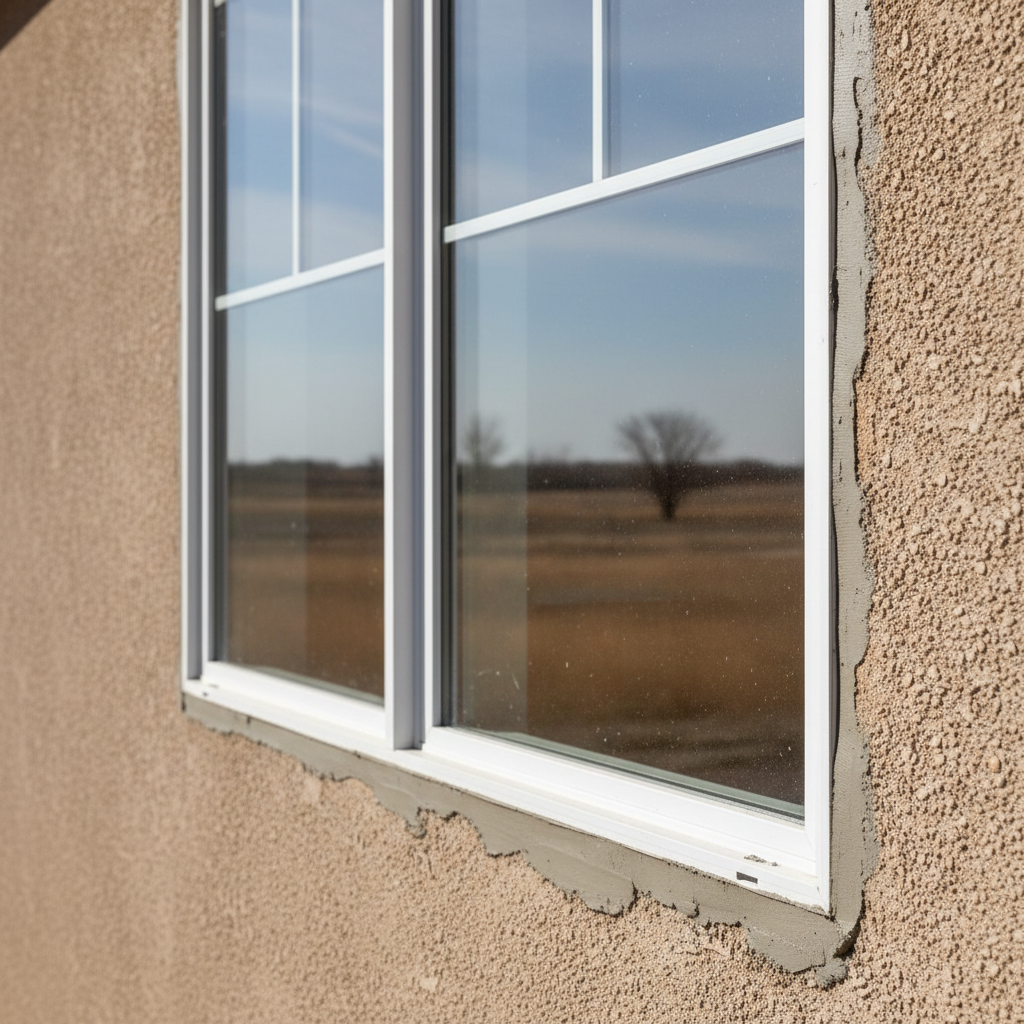
Thinking About New Windows? Here's the Deal.
So, you're staring at those old windows, maybe feeling a chill, or just plain tired of how they look. Swapping out windows is a big project, no doubt about it. And honestly, it's one of those things where a little legwork upfront saves you a ton of headaches and cash later on. I've been doing this for years here in Liberal, and believe me, I've seen it all – the good, the bad, and the truly ugly. Let's talk about what you really need to know.
Before You Even Think About Tools
First things first: figure out *why* you want new windows. Is it about saving energy? Are they rotting away? Or do you just want a fresh look for your home? Knowing your main goal helps you pick the right kind of window and the best way to go about it. Please, don't just grab the cheapest option without thinking about what you're trying to achieve.
DIY or Pro? Be Honest With Yourself.
This is where a lot of folks get stuck. Can you replace a window yourself? Sure, some people can. If you're pretty handy, own a decent set of tools, and really understand carpentry, flashing, and sealing, then maybe you're one of them. But here's the kicker: a window isn't just a piece of glass. It's a super important part of your home's outer shell. A bad install means drafts, water leaks, and wasted energy. Here's a peek at what you're signing up for if you try to DIY:
- Measuring: This has to be perfect. Even a quarter-inch off can mean a window that just won't fit, or one that's a nightmare to seal up.
- Removing the Old Window: Sounds easy, right? Sometimes it is. Other times, you're wrestling with old, stubborn frames, lead paint, or some unexpected structural issues.
- Preparing the Opening: This step is crucial. You need an opening that's clean, square, and level. Any rot or damage needs fixing *before* the new window goes in.
- Flashing and Sealing: This is where most DIY jobs fall apart. Managing water is everything. You'll need proper flashing tape, caulk, and often expanding foam to create a truly airtight and watertight seal. Mess this up, and you'll have bigger problems than just a draft.
- Installation: Getting the new window level and plumb, shimming it just right, and securing it without bending the frame takes a real delicate touch.
- Finishing: Then there's all the interior and exterior trim work, painting, and, of course, cleaning up the mess.
For most homeowners, especially with the wild winds we get out here in Southwest Kansas, calling a pro is just the smarter move. You're paying for real expertise, the right tools, and a warranty. At Allied Window Installation Inc, we've got the experience to handle everything from a simple sash replacement to a full tear-out and new construction window install, making sure it's sealed tight against our prairie dust and those winter gusts.
During the Project: What to Expect
If you hire us (or any other reputable company, for that matter), here's what should happen:
- Clear Communication: You should always know the schedule, who's showing up, and what they'll be doing that day.
- Protection: Good installers will protect your home. That means drop cloths inside, careful removal of old materials, and keeping your landscaping safe outside.
- Professionalism: The crew should be respectful of your home and your property.
- Questions Answered: Don't ever be afraid to ask questions if something doesn't make sense.
Expect some noise and dust, naturally. It's construction, after all. But a good crew will keep the disruption to a minimum and clean up thoroughly every single day.
After the Install: What to Look For
Once the job's wrapped up, take a good, hard look. Don't be shy about it. Here's your checklist:
- Operation: Do the windows open, close, and lock smoothly? There shouldn't be any sticking, and you shouldn't need to force anything.
- Seals: Check the caulk lines, both inside and out. They should be neat, continuous, and completely free of gaps.
- Drafts: On a windy day, put your hand around the edges. You shouldn't feel any drafts at all.
- Cleanliness: The work area should be spotless, and all the old window materials should be gone.
- Damage: Look closely for any damage to your walls, trim, or exterior siding. A good installer avoids this, but hey, mistakes can happen.
If you spot an issue, bring it up right away. A reputable company will fix it promptly. Most new windows come with their own manufacturer's warranty, and a good installer will also offer a warranty on their labor. Make sure you understand both.
Replacing windows is an investment, but it's one that really pays off in comfort, energy savings, and better curb appeal. Whether you're in the older part of town near the high school or out in the newer developments, getting it done right means peace of mind for years to come. Seriously, don't cut corners on something so vital to your home.